Game
Fishing
Cookies
Filter by category.
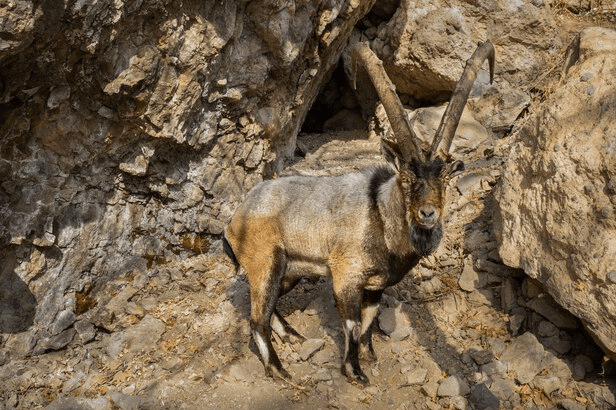
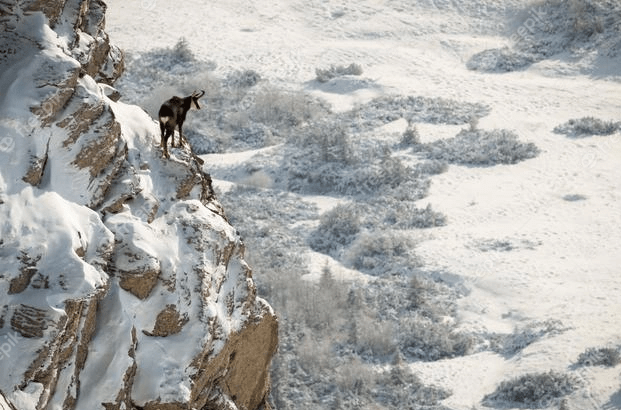
The Alpine ibex (Capra ibex), also known as the Alpine goat or ibex, is a pair-toed mammal of the Goat family, a typical representative of the Goat subfamily. It is found at an altitude between 2000 and 4600 m in the European Alps.
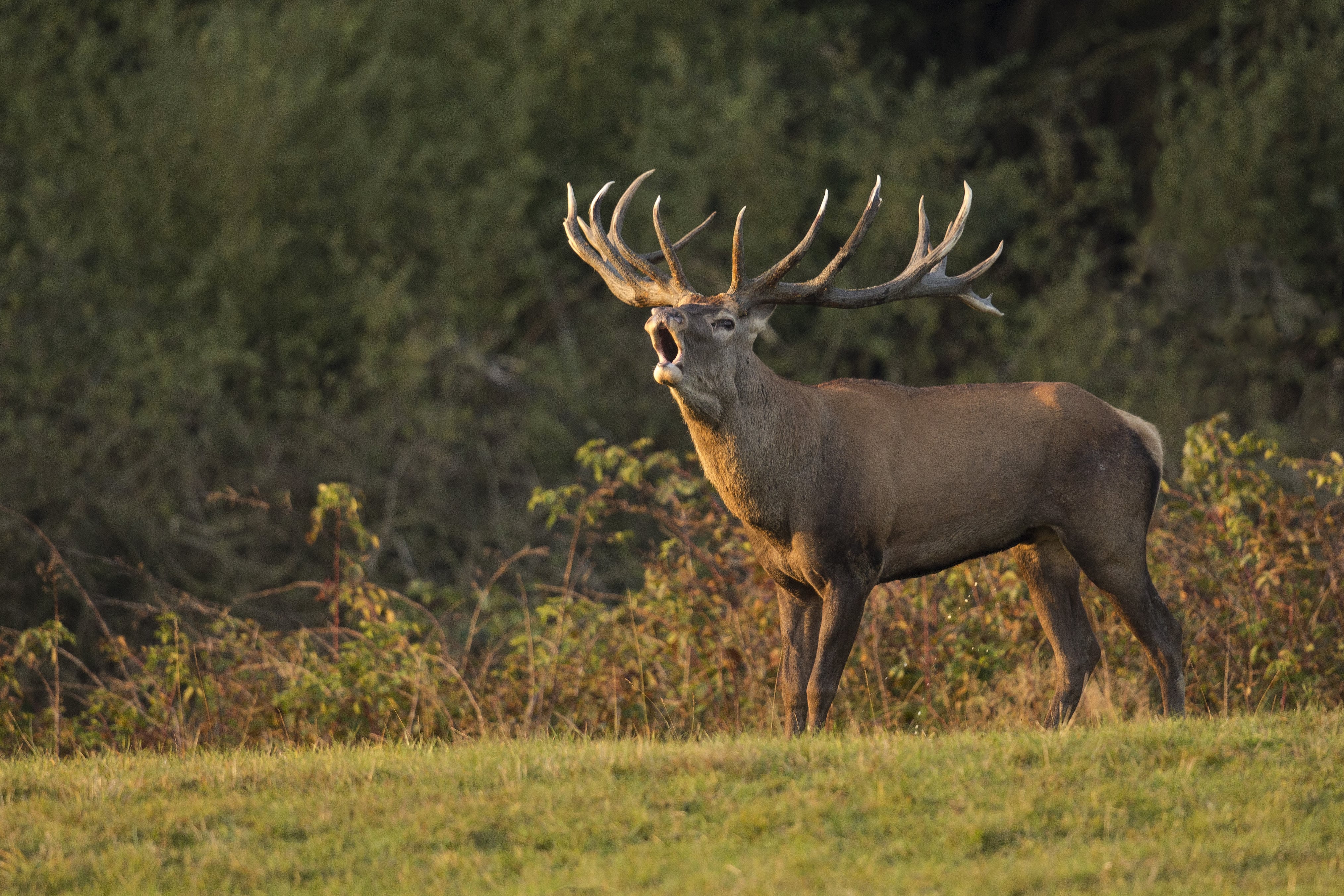
The red deer is a powerful and beautiful forest animal. In summer, the fur is red-brown, and in winter, gray-brown. The belly and back around the tail /20-25cm/ is off-white to cream and forms a so-called "mirror". The height at the withers /height of the body at the front legs/ reaches 1.20 to 1.50 m., the weight in males reaches 350 kg, and in hinds up to 150 kg.
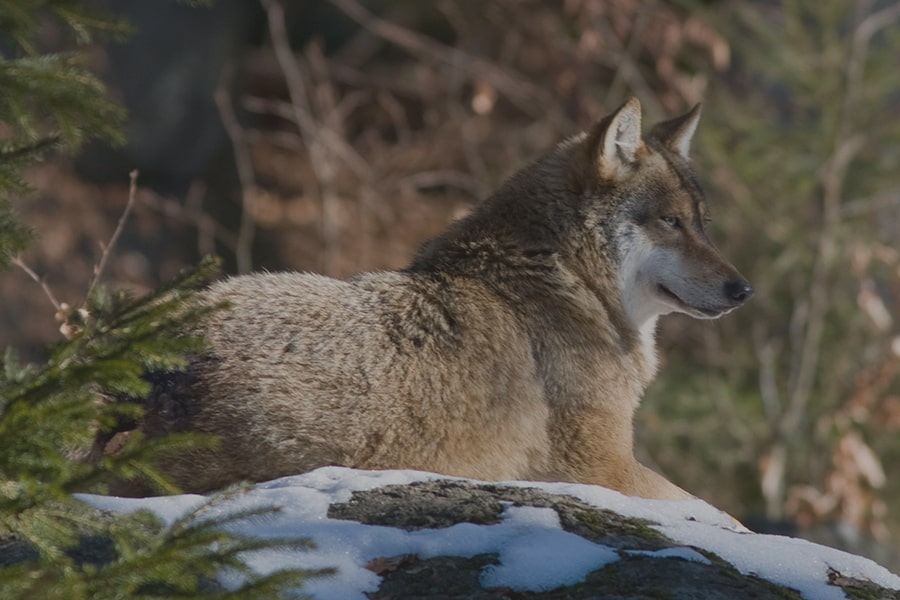
Wolves are about 66 – 80 cm tall at the shoulder and weigh about 25 – 80 kg[4], with females being approximately 20% smaller than males. The average weight for males is 55 kg and for females 45 kg. The body length is 1.0 – 1.5 m, of which 30 – 50 cm is the tail. The constitution of wolves is suitable for long running - they have a relatively narrow chest and strong back and leg muscles.
The wild goat (Rupicapra rupicapra) is a herbivorous mammal of the order Artiodactyla, family Bovidae, located in a separate genus of wild goats (Rupicapra). Its fur in summer is short and smooth, and its color is light brown or reddish-brown. In winter, it becomes chocolate-brown, and the hairs on the back grow to 10-20 cm.
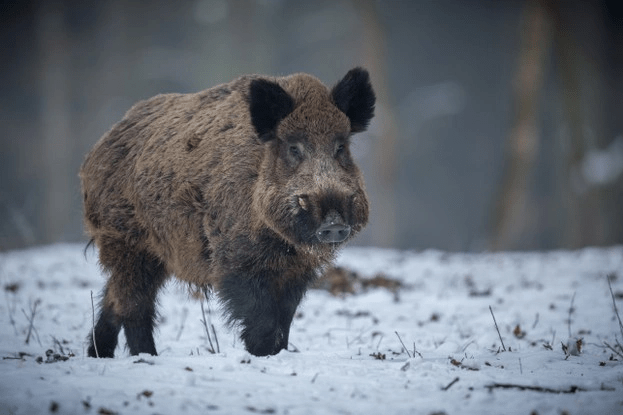
It has a short and massive body, the front part is more developed than the back. The head is large and massive. Its muzzle is strongly drawn forward in the shape of a zurla, the eyes are small, with well-developed ears. Canine teeth (so-called tusks or tusks) in the male (boar) are highly developed and protrude outside the mouth, representing a good means of protection. The lateral second and fifth toes are well developed.
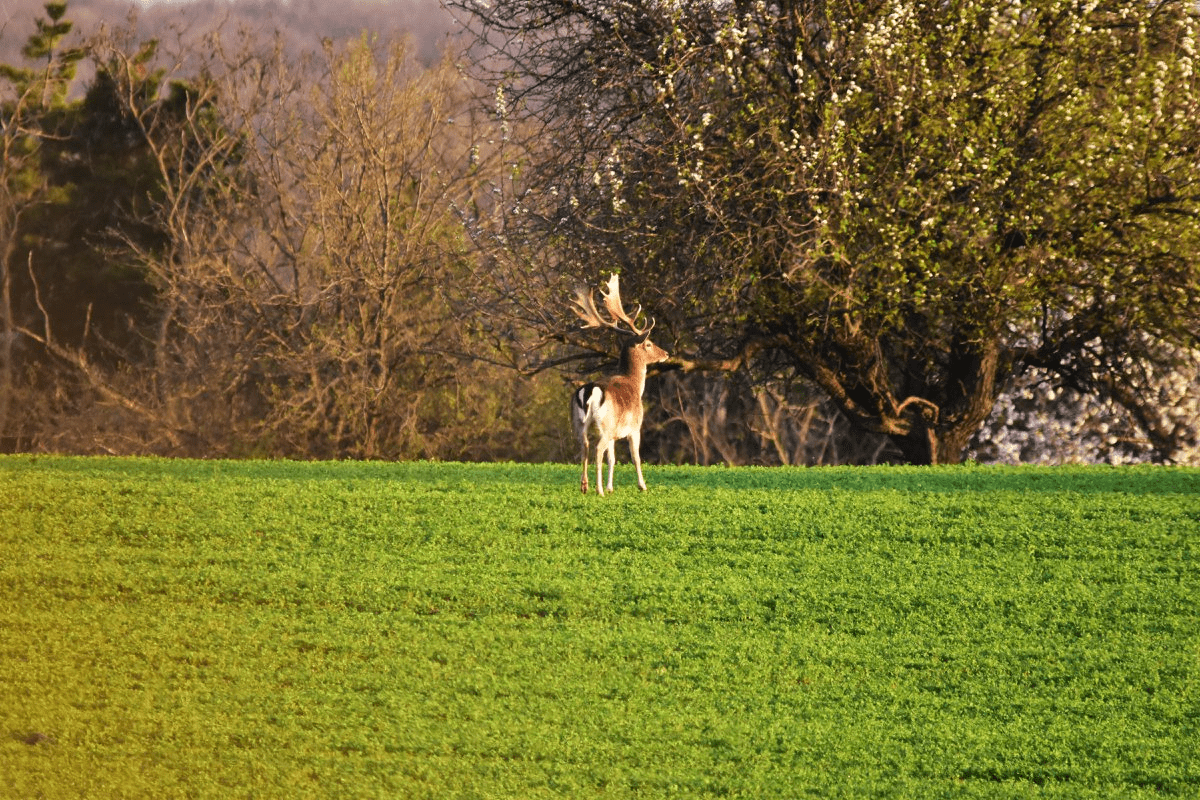
Its body reaches a length of about 140 cm and a height of up to 90 cm. The normal weight of male deer is 80-90 kg, but it can reach over 200. Females are lighter - about 40 kilograms. The deer's antlers are expanded at the end in the form of shovels, with 7-9 outgrowths coming out of their rear.
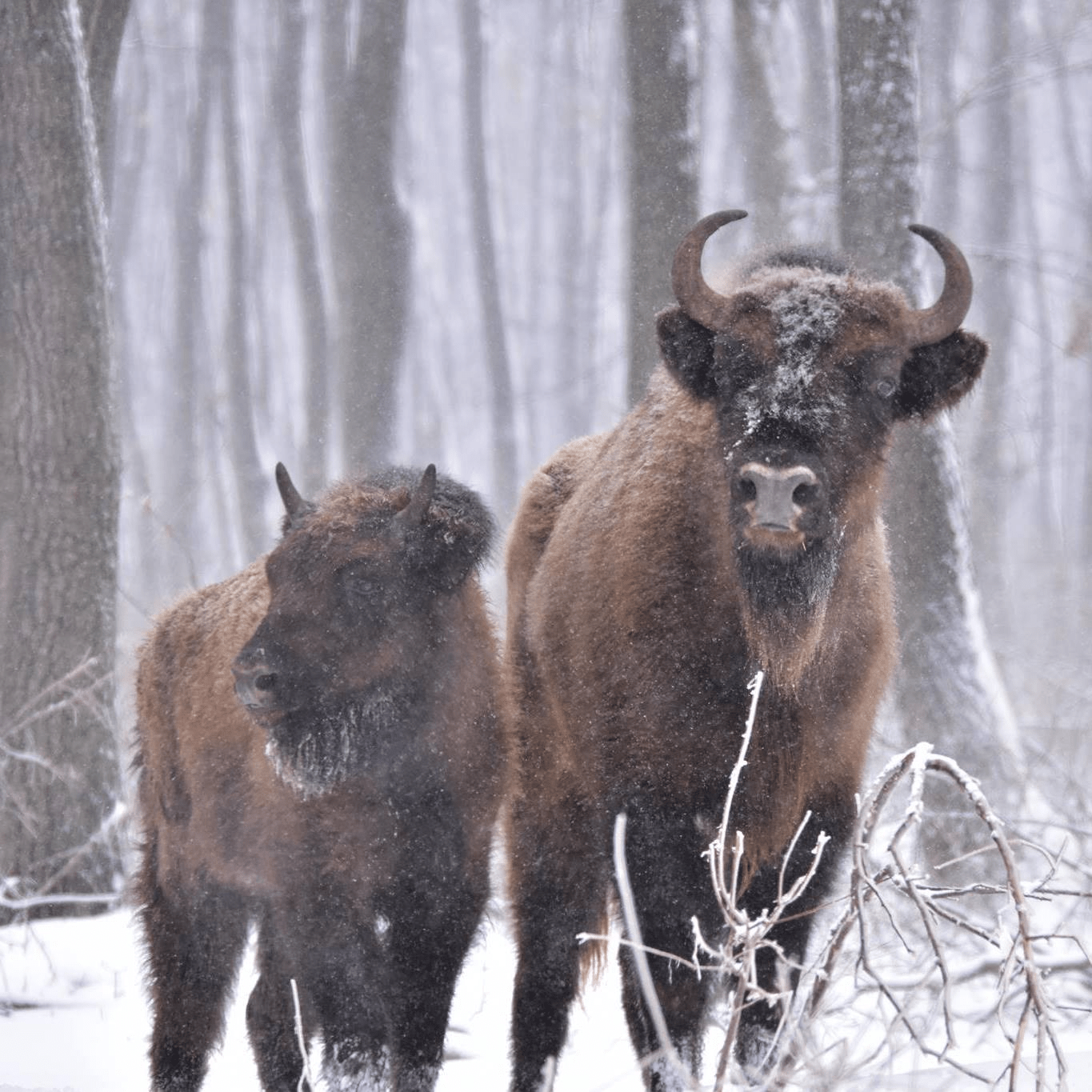
The aurochs disappeared en masse from Western Europe by the end of the 11th century except in the Ardennes, where they survived until the 14th century. The last aurochs in Moldova was killed in 1762, and in 1790 in Transylvania.
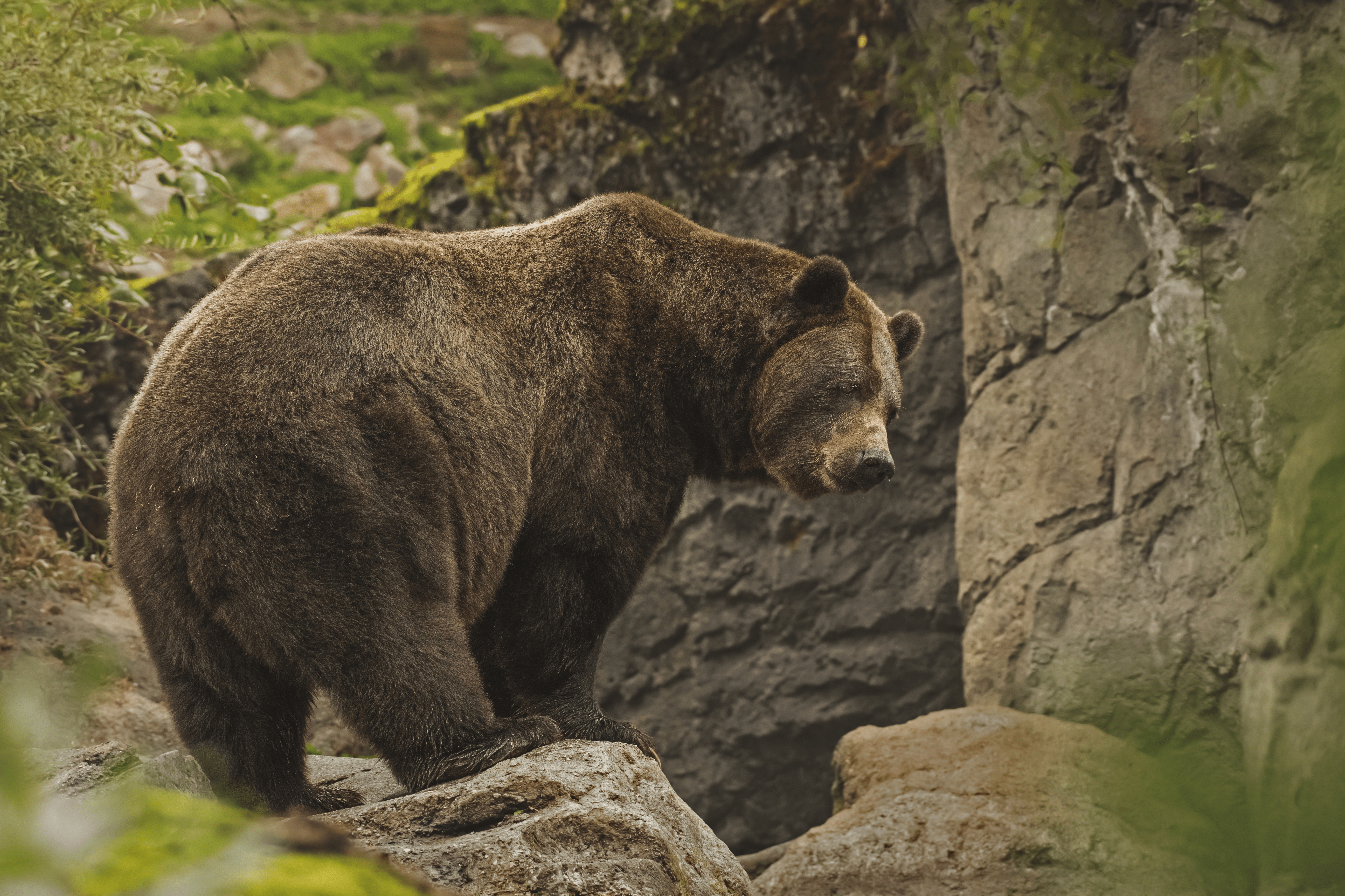
They are mostly dark in color (rarely light), medium in body size with dark claws. The Siberian representatives are larger than the others. European bears are mostly forest dwellers. Brown bears often do not have a completely brown coat.
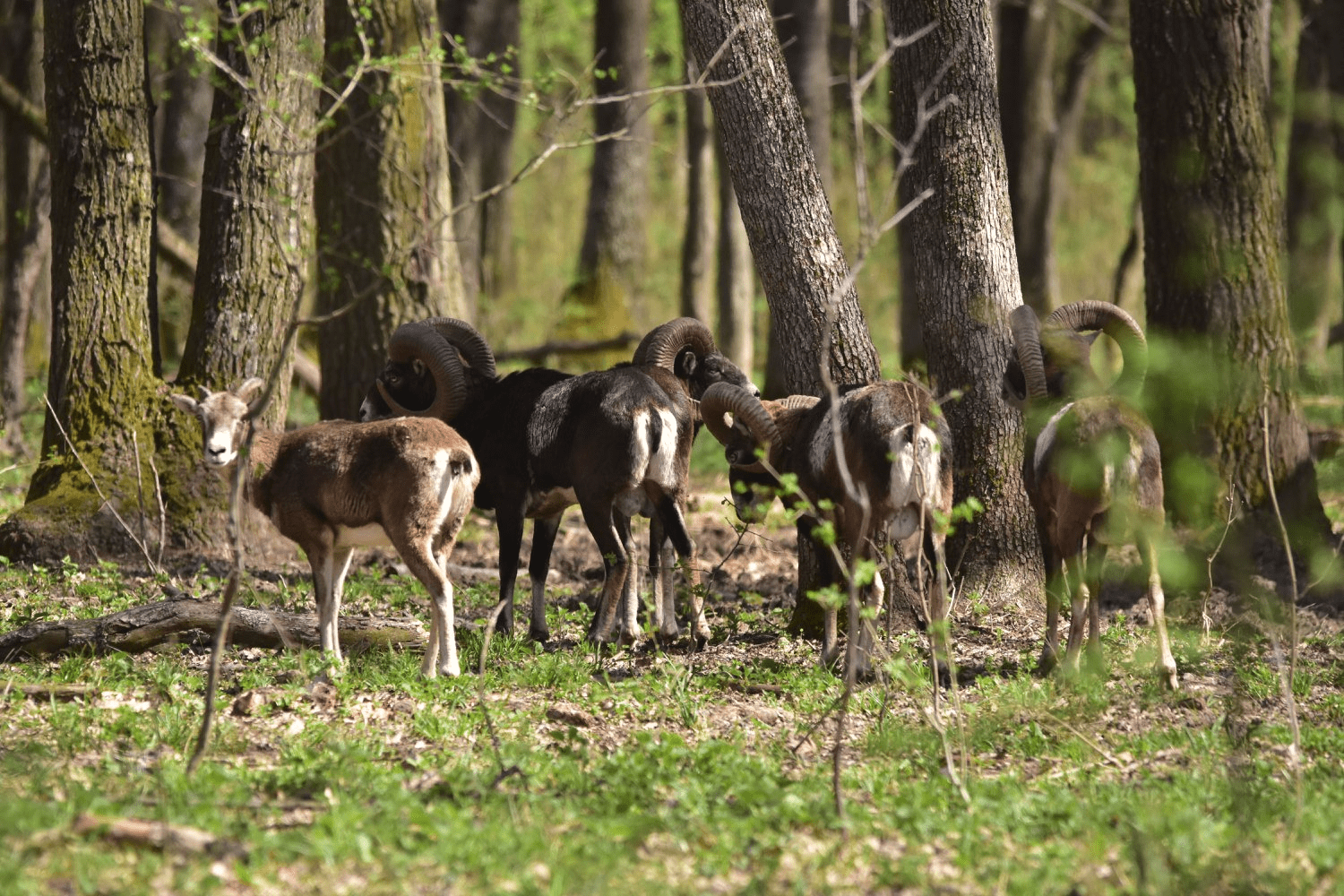
The mouflon (Ovis orientalis) is a species of mammal from the Bovidae family, the ancestor of the domestic sheep (Ovis aries). The European mouflon is relatively small: body length up to about 120 cm, height at the shoulder up to about 80 cm and weight up to 35-55 kg, with females being significantly smaller.
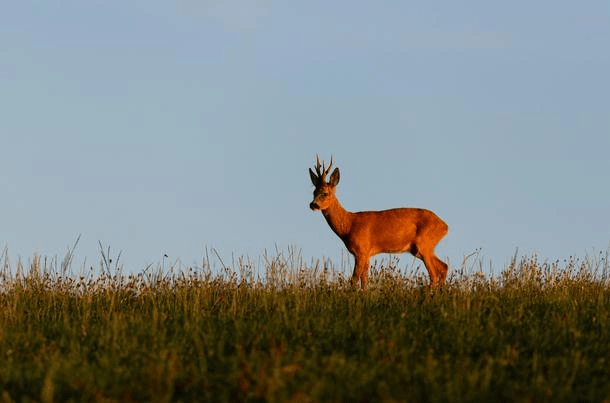
The roe deer is relatively small in size compared to other representatives of the Antelope family. Body length from 95 to 135 cm, width at the forelimbs 65 – 75 cm, height at the withers 65 – 75 cm and total weight between 15 and 30 kg, sometimes up to 35 kg. The tail is short (2-3 cm) and hardly noticeable or absent.
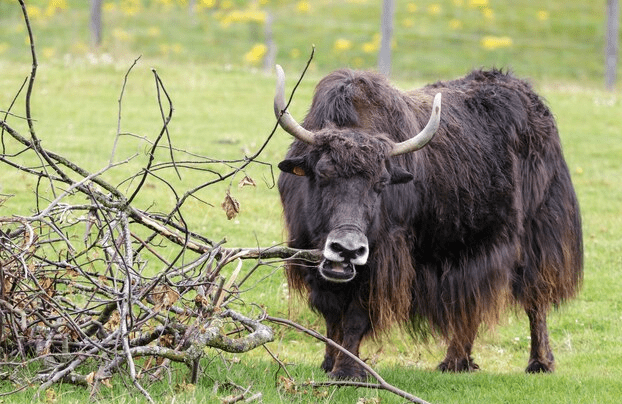
The yak (Bos grunniens), also called the Tibetan yak, is a large mammal of the Artiodactyla order with long, thick brown fur. It should be noted that in Tibet, only male animals are called "yak" and females are dri.
No animals found.